Focused arrival windows
Useful updates and clear arrival timing.
Flat Roof Repair in Carson means finding the actual breach, not smearing sealant over a symptom. We connect homeowners and property managers across Carson and Los Angeles County with licensed and insured local roofers who work on TPO membrane, EPDM, modified bitumen, and built-up roofs on homes, duplexes, and commercial buildings. If water is staining your ceiling or ponding after every storm, call us and we will help you set up an inspection.
Useful updates and clear arrival timing.
Review the approach and price before deciding.
Equipped vehicles and respectful cleanup.
Neighbors serving neighbors with follow-through.
Every flat roof repair we perform includes a full inspection, written scope, and water test. Here is what is covered in a standard repair, and what we quote separately when the damage goes deeper than the surface.
We walk the entire roof, not just the area you called about. Moisture meter readings, seam checks, flashing inspection, and drain condition are documented with photos so you see exactly what we found and where.
We trace water back to its entry point, which is often 10 to 20 feet from the interior stain. Finding the real source prevents repeat leaks and saves you from paying twice for the same problem.
Failed membrane is cut out and replaced with compatible TPO, EPDM, or modified bitumen. Flashing at curbs, stacks, and edges is rebuilt and sealed so every penetration is watertight.
If ponding is the root cause, we clear clogged drains and scuppers and correct low spots where the membrane allows. Standing water is the number one killer of flat roofs in Carson.
The repaired area is water-tested before the job is done, and you get photos of the finished work. You have a record of what was done.
Share what is happening and receive a clear next step from the local team.
Flat Roof Repair in Carson is the process of restoring watertight integrity to a low-slope roof system by locating the point of water entry, repairing or replacing the failed membrane, flashing, or sealant, and verifying the fix holds. On a Carson roof, that usually means inspecting seams, penetrations, drains, and perimeter edges with a moisture meter and an inspection drone before we cut anything open. We remove saturated material, install new membrane or flashing, and seal every lap so the repair outlasts the storm that caused it.
Most Carson flat roofs fail for predictable reasons: ponding water that never drains, UV degradation from year-round sun, and flashing failure at HVAC curbs and vent stacks. Homes near the 405 and older commercial buildings along the Figueroa corridor deal with the same cycle. If you have been searching for flat roof leak repair Carson homeowners actually recommend, the fix starts with a proper inspection, not a tube of roof cement.
You call and describe the leak, and we help you set up an inspection with a local roofer. Active leaks are treated as urgent. Have your address, roof type if you know it, and whether water is currently entering the building ready.
A technician walks the roof with a moisture meter, checks seams, flashing, drains, and penetrations, and flies an inspection drone over large commercial decks. You get photos of every problem area and a plain-language explanation of what failed and why.
You get a written scope with the repair method and materials before any work begins. You approve it, the repair is scheduled, and you know exactly what is being done going in.
Most repairs take two to six hours. We remove failed membrane, install new TPO or EPDM where needed, replace flashing at curbs and stacks, and seal every lap with compatible sealant. Larger commercial jobs may run one to three days.
Before the job is done, the repaired area is water-tested to confirm no water is entering. You get a walkthrough of the work and photos of the finished repair, and all debris is hauled away.
Reads moisture content in the deck and insulation so we know how far water has traveled. It tells us whether a repair is enough or whether saturated material has to come out.
Flies over large commercial decks to document seam condition, ponding areas, and flashing failures without walking every square foot. Photos go into your report.
Used to lift failed membrane and flashing cleanly so the new material bonds to a sound surface. Clean removal is what makes the repair last.
Applies compatible sealant and roof cement at laps, edges, and penetrations. We use products matched to your membrane type so the seal stays flexible.
Cuts membrane to fit and fastens base sheets and cap sheets on modified bitumen repairs. Every fastener is placed to NRCA standards.
Safe roof access and fall protection on every job, with everyone harnessed any time they are near an edge.
We grid the roof and take moisture readings across the deck to map exactly where water has traveled. This prevents us from repairing one spot while a second saturated area waits to fail.
After the repair, we run water over the area and watch from inside and out to confirm no water is entering. A repair is not finished until it passes the test.
We follow NRCA published standards for seam laps, flashing heights, and fastener placement. Code-correct details are what keep a repair watertight long-term.
When repairing an existing membrane system, compatible materials matched to that membrane are used so the repair bonds properly.
The leak is traced to its source, and the failed membrane or flashing is repaired. Most repairs are done in a single visit with a water test before the job is closed out. The leak stops, the stain stops spreading, and you have photos documenting the repair.
We inspect the full deck with a drone, clear the drains, re-seam failed laps, and replace any flashing that has pulled loose. Work is phased around business hours so tenants are not disrupted. Drainage is restored, the tenant complaint is resolved, and the roof is documented for the property file.
We perform a full inspection, repair any active leaks, and provide a written report with photos and moisture readings. The report gives the buyer confidence and the seller documentation. The roof passes buyer inspection, the sale moves forward, and the new owner has a baseline record of the roof condition.
You get an independent inspection, a deck moisture check, and an honest assessment. If the deck is sound and the damage is localized, a repair is the right call. You save thousands compared to a full replacement.
Carson sits in the South Bay with year-round sun, mild winters, and a rainy season that runs roughly November through March. That climate bakes flat roofs for most of the year and then tests every seam when the rain arrives. We see the same failures repeatedly: UV-cracked modified bitumen on older homes, ponding at drain scuppers on commercial decks, and flashing pulled loose at HVAC curbs. Building stock ranges from mid-century single-family homes in Dominguez Hills Village to industrial and commercial buildings near the 405 and the Figueroa corridor. Los Angeles County code requires permits for structural roof work, and we pull them when the scope requires it. If you have been searching for how to repair a flat roof leak in Carson CA, the answer starts with correcting drainage and flashing, not just patching the surface.
Mix of single-family homes and multi-unit buildings with flat and low-slope roofs. Many have original modified bitumen that is now UV-cracked and due for restoration.
Multi-family and commercial buildings with TPO and EPDM roofs. Ponding at scuppers and flashing failures at rooftop equipment are the most common calls.
Commercial and institutional buildings with large flat decks. We use inspection drones here to document seam condition across the full roof.
Industrial and warehouse buildings with built-up and modified bitumen roofs. Drainage correction and seam repair are the priority on these older decks.
Bakes flat roof membranes and dries out sealant at flashing and penetrations. We use UV-stable materials and recommend reflective coatings to slow the degradation cycle.
Every seam and flashing detail gets tested. We prioritize repairs before the first major storm so small failures do not become interior water damage.
Standing water breaks down membrane seams and adds structural load. We correct drainage as part of the repair whenever ponding is the root cause.
Many Carson roofs are past their expected service life. We assess whether repair or restoration is the right call and quote honestly either way.
A 6,000-square-foot TPO roof on a Carson commercial building had ponding at two scuppers and a tenant reporting a drip near an HVAC unit. Seams had opened along a 30-foot run, and flashing at the curb had pulled loose.
We cleared both scuppers, re-seamed the failed laps with compatible TPO, and rebuilt the HVAC curb flashing. Water test passed with no entry. The tenant complaint closed and the roof is documented for the property file.
Maintenance: Schedule a drainage check each October before the rainy season and re-inspect seams every two years. Keeping scuppers clear prevents the ponding that caused the failure.
A single-family home in Dominguez Hills Village had a 20-year-old modified bitumen roof with UV cracking across the surface and a ceiling stain in the hallway. Moisture meter readings showed saturation in two areas.
We removed the saturated sections, installed new modified bitumen, sealed all laps, and applied a reflective coating over the remaining sound membrane. The leak stopped and the roof gained several more years of service life.
Maintenance: Recoat every five to seven years and keep the drain clear. The coating is what protects the membrane from Carson UV.
A 12-unit building in Avalon Village had water entering at a vent stack after every rain. Previous sealant patches had failed twice. The EPDM flashing around the stack had cracked and pulled away from the pipe.
We removed the old flashing and sealant, installed a new EPDM boot and flashing detail, and water-tested the stack. No water entry, and the property manager has photos for the file.
Maintenance: Inspect stack flashing annually and after any major storm. Catching cracked sealant early prevents the water entry that damaged the ceiling below.
Most flat roof calls come down to a handful of recurring failures. Here is what we see most often in Carson and how we fix each one.
A slow leak rots sheathing, ruins insulation, and feeds mold inside the wall cavity. By the time the stain is visible, water has usually been entering for weeks. The leak is traced to its source with a moisture meter and drone, the failed membrane or flashing is repaired, and the fix is water-tested.
Standing water adds weight, breaks down membrane seams, and accelerates UV damage. A roof that ponds after every storm will fail years earlier than one that drains properly. We clear clogged drains and scuppers, correct low spots where the membrane allows, and re-seam any laps that ponding has compromised. If the slope is wrong, we tell you and quote the correction.
Flashing failure is the single most common flat roof leak source. Once sealant cracks, water runs straight down the penetration and into the building. We remove the failed flashing, rebuild the curb detail with new material, and seal it with compatible roof cement and sealant. Every penetration on the roof gets checked, not just the one that leaked.
Carson sun bakes flat roofs year-round. Once the surface cracks, water enters the reinforcement layer and the membrane loses its ability to shed water. We repair the cracked areas, then recommend a reflective coating or restoration to extend the life of the remaining membrane. A flat roof restoration Carson CA owners schedule on time adds years of service.
Yes. Most flat roof leaks in Carson are repairable. The breach is located with a moisture meter, the failed membrane or flashing is removed, new material is installed, and the repair is water-tested. If the deck is saturated beyond repair, you are told so and given a replacement option instead of a patch that will fail.
A properly executed repair lasts 10 to 15 years on a sound membrane, and often longer if you schedule recoating every five to seven years. Longevity depends on the system, the extent of the repair, and whether ponding is corrected. Repairs that address only the surface symptom fail within a season or two.
The main causes in Carson are ponding water that never drains, UV degradation from year-round sun, flashing failure at curbs and penetrations, and clogged gutters or scuppers backing water up under the membrane. Thermal cycling also opens seams over time. Most damage we see traces back to drainage that was never corrected.
It depends on the cause. Sudden damage from wind, hail, or a fallen limb is often covered. Damage from deferred maintenance, ponding, or gradual wear is usually excluded. The cause is documented with photos and a written report you can submit to your adjuster.
Not seeing your question? Our local team can help you understand urgency, scheduling and what to expect.
Ask the local team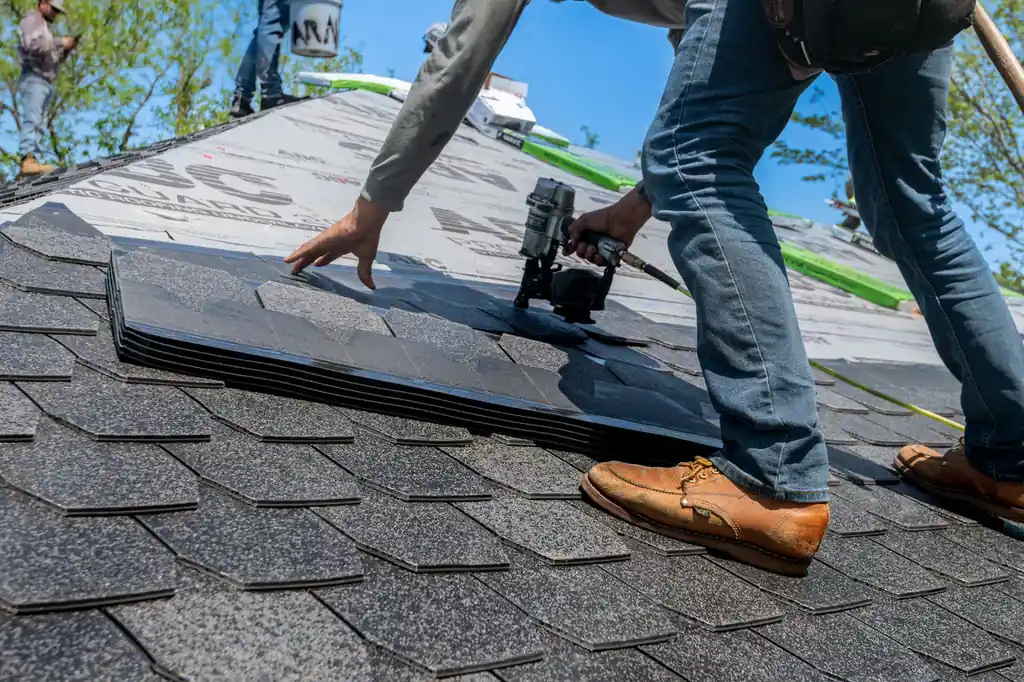
When water is entering your home or building, our roof leak repair service traces the source and seals it fast. We handle both flat and pitched roofs, and we document the cause so you know whether it is a one-time failure or an ongoing problem.
View service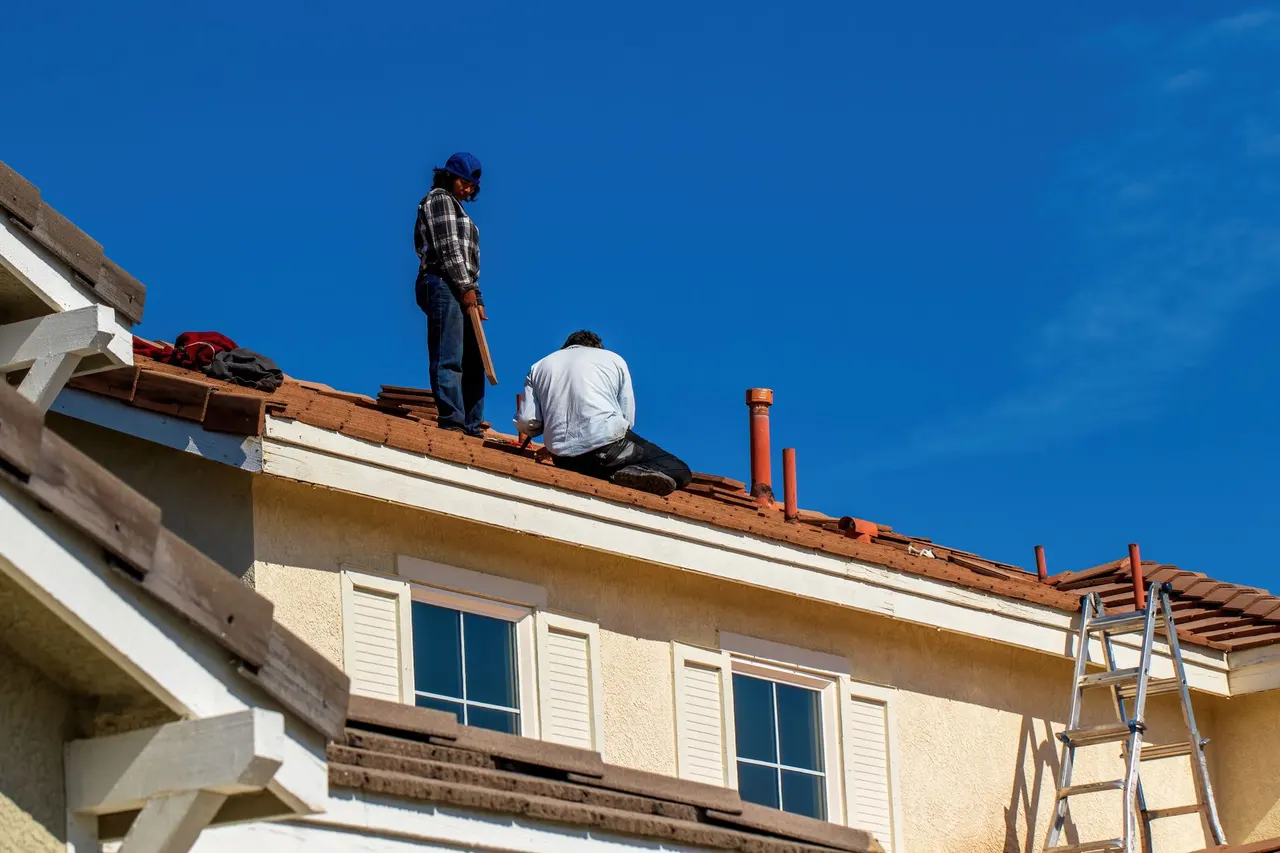
Storm damage, fallen limbs, or an active leak at 2 a.m. gets an emergency response. We tarp, seal, and stabilize the roof to stop water entry, then return for the permanent repair. Available for Carson homes and commercial buildings.
View service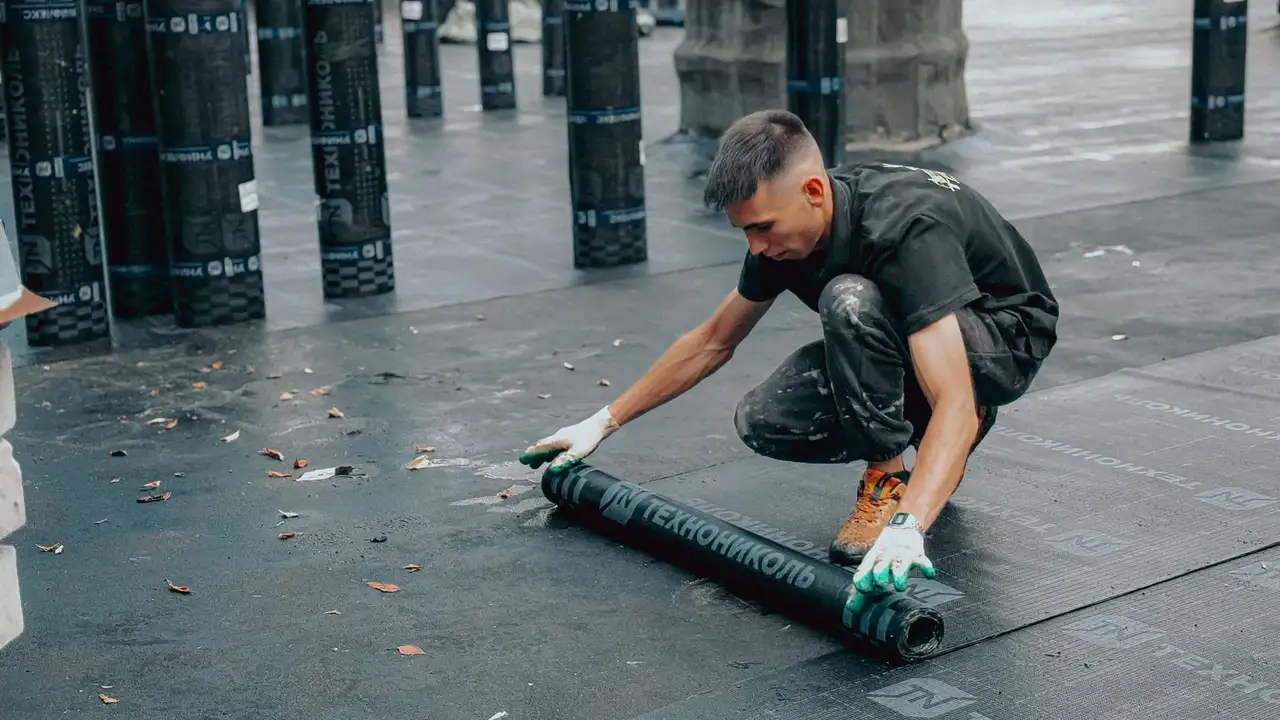
When a flat roof is past repair, the old system is torn off and a new TPO, EPDM, or modified bitumen system is installed. Permits, disposal, and inspection are handled so the job is code-correct from start to finish.
View serviceCracked or slipped clay and concrete tiles let water under the underlayment and into the structure. We replace damaged tiles, repair flashing, and restore the underlayment so your tile roof sheds water the way it was designed to.
View service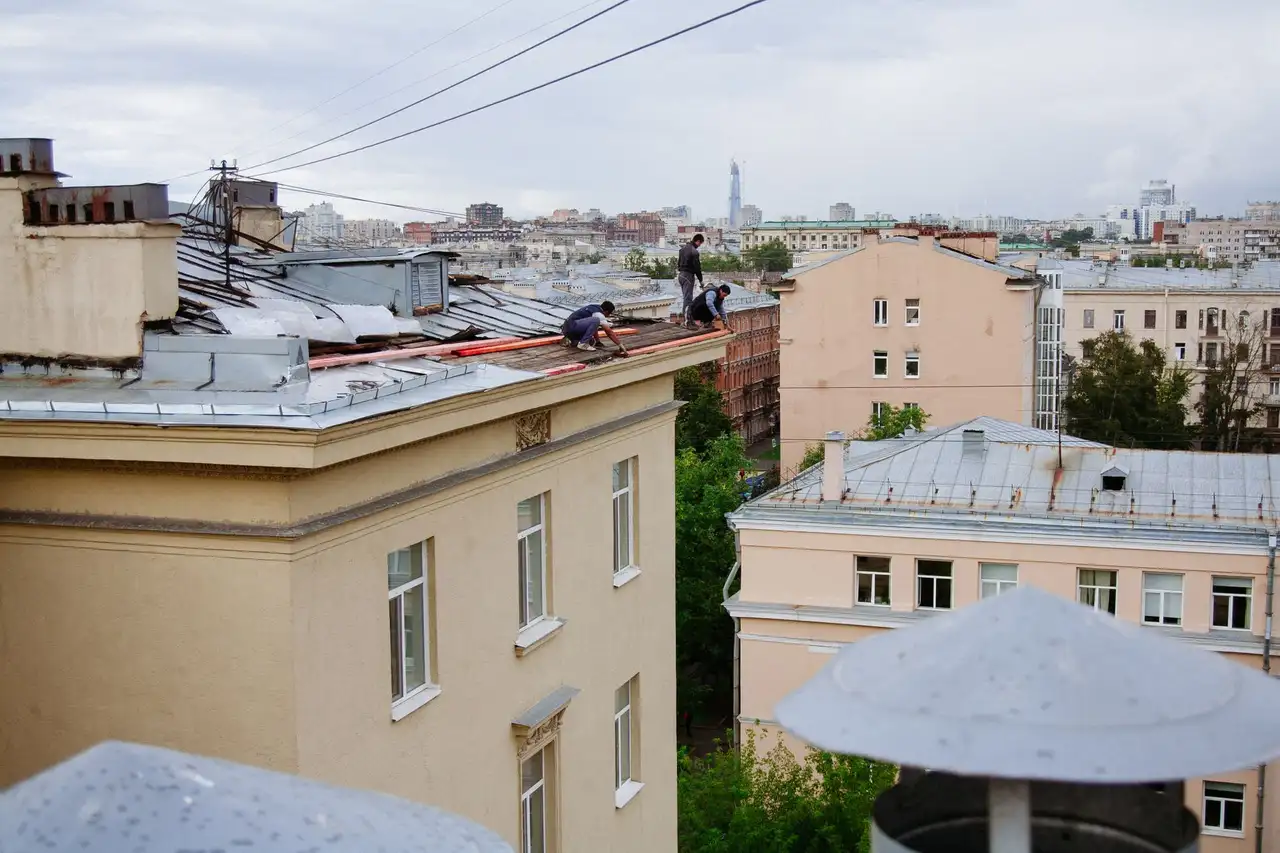
Call us at (123) 456-7890 or email info@roofrepaircarsonca.com and we will help you set up an inspection. Our phone line stays open 24/7 for emergencies, and our office hours run Monday through Friday, 8 a.m. to 6 p.m. If your roof is leaking right now, call so we can get help moving.