Focused arrival windows
Useful updates and clear arrival timing.
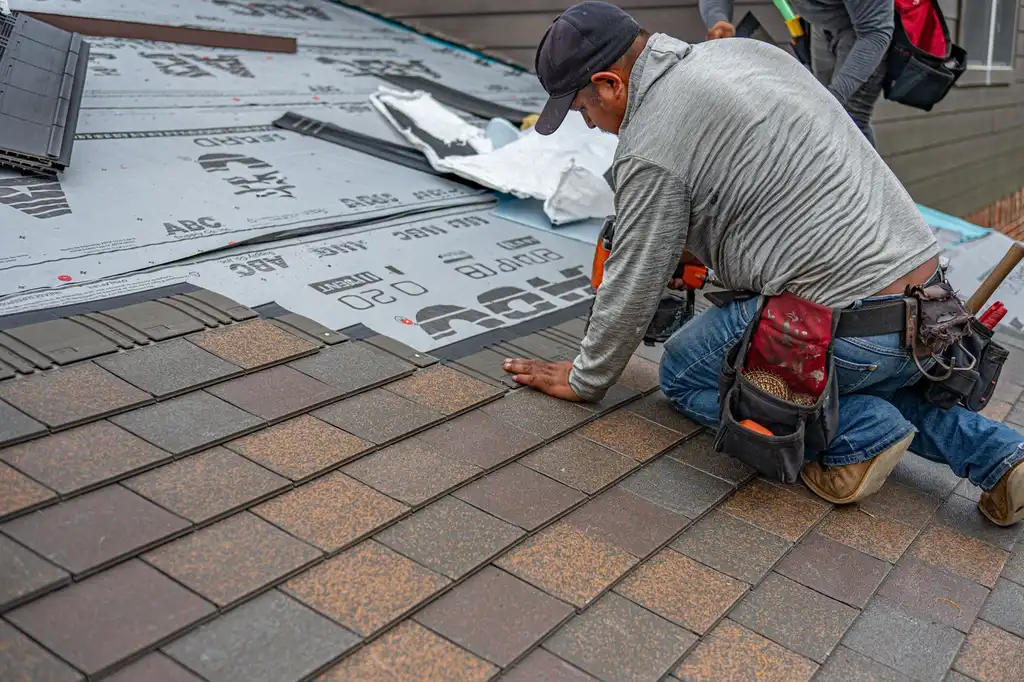
Tile Roof Repair in Carson starts with finding the real source of the leak, not just the tile that looks broken. We connect homeowners across Carson, California with licensed and insured local roofers who work on clay and concrete tile roofs, replacing cracked tiles, sealing flashing, and restoring the underlayment that keeps water out. If a storm or a dry summer has left your roof leaking, call us and we will help you set up an inspection.
Useful updates and clear arrival timing.
Review the approach and price before deciding.
Equipped vehicles and respectful cleanup.
Neighbors serving neighbors with follow-through.
Every tile repair we do covers the full repair, not just the visible damage. Here is what is included in a standard visit, and what we treat as a separate scope.
We inspect the tile field, valleys, flashing, and penetrations with a ladder, safety harness, and inspection drone. A moisture meter checks the deck below any suspect area. You get photos and a plain-language explanation of what we found.
Cracked, broken, or missing tiles get replaced with matching clay or concrete tiles. We set each piece to the same course line and reveal as the original field so the repair blends in from the ground.
The underlayment is the real waterproofing on a tile roof. We remove the failed section and install new roofing underlayment, then reset the tile over it. This is the step that stops the leak for good.
We re-seal flashing at chimneys, vents, and valleys with roof cement and new sealant. Failed flashing is one of the most common leak sources on Carson tile roofs, and it is often mistaken for a tile problem.
We run water over the repaired area and watch the underside before we leave. Then we magnet-sweep the yard and driveway for nails and haul away the old tile and debris.
Share what is happening and receive a clear next step from the local team.
Tile Roof Repair in Carson is the trade of restoring the water-shedding layers of a clay or concrete tile roof without replacing the whole system. Tiles shed most of the water, but the roofing underlayment underneath does the real waterproofing. When a tile cracks or slides, water gets past it and sits on the underlayment until it rots through. We lift the surrounding tiles, replace the failed underlayment, swap the broken pieces, and reset the field so the roof drains the way it was designed to.
Carson roofs take a beating from both ends. Summer heat bakes tile and flashing until sealant dries out, then winter rain finds every gap. Homes near the 405 and the 110 sit under tree cover that drops debris into valleys and gutters, and that trapped moisture works its way into the deck. If you have been searching for tile roof leak repair Carson CA licensed, the fix is usually a targeted repair, not a full tear-off.
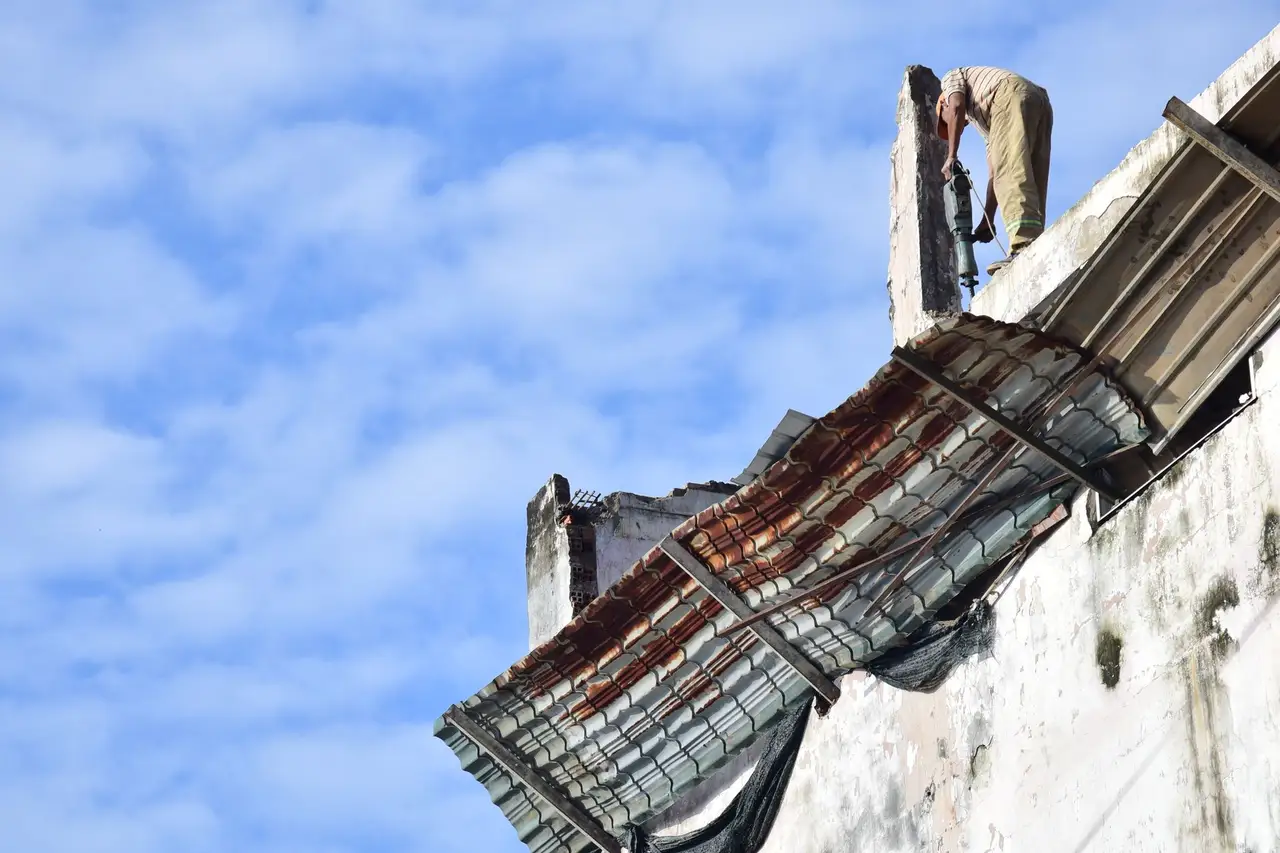
You call or book online and tell us what you are seeing: a ceiling stain, a missing tile, or water in the garage. We help you set up a visit with a local roofer at a time that works for you.
We walk the roof with a ladder and safety harness, then fly an inspection drone over the sections that are unsafe to walk. A moisture meter checks the deck and framing below the suspect area. This takes 30 to 45 minutes on a typical Carson home and tells us exactly where the water is entering.
You see photos of what was found, and the repair is explained in plain terms. You get a written scope before work starts. If the damage is bigger than a repair, you are told that too, along with what a replacement would involve.
We lift the tile field around the damaged area, remove the failed underlayment, and replace it with new material. Cracked tiles get swapped, flashing gets re-sealed with roof cement and new sealant, and every tile goes back down with roofing nails. Most repairs take two to five hours.
Before the job is done, water is run over the repaired area and the underside is checked for any sign of a leak. The yard and driveway are magnet-swept for dropped nails, the old tile is hauled away, and you get a walkthrough of the work.
Flies over steep or fragile tile sections to capture high-resolution photos without putting weight on the field. It lets us see the whole roof in minutes.
Checks the deck and framing below a suspect area for hidden moisture. It confirms whether a leak is active or already dried out.
Lifts and resets tile without cracking the pieces around it. The right technique keeps the surrounding field intact.
Fastens underlayment and flashing quickly and to the correct depth. We hand-nail tile to avoid over-driving and cracking.
Applies sealant and roof cement at flashing, valleys, and penetrations. This is where most tile roof leaks start.
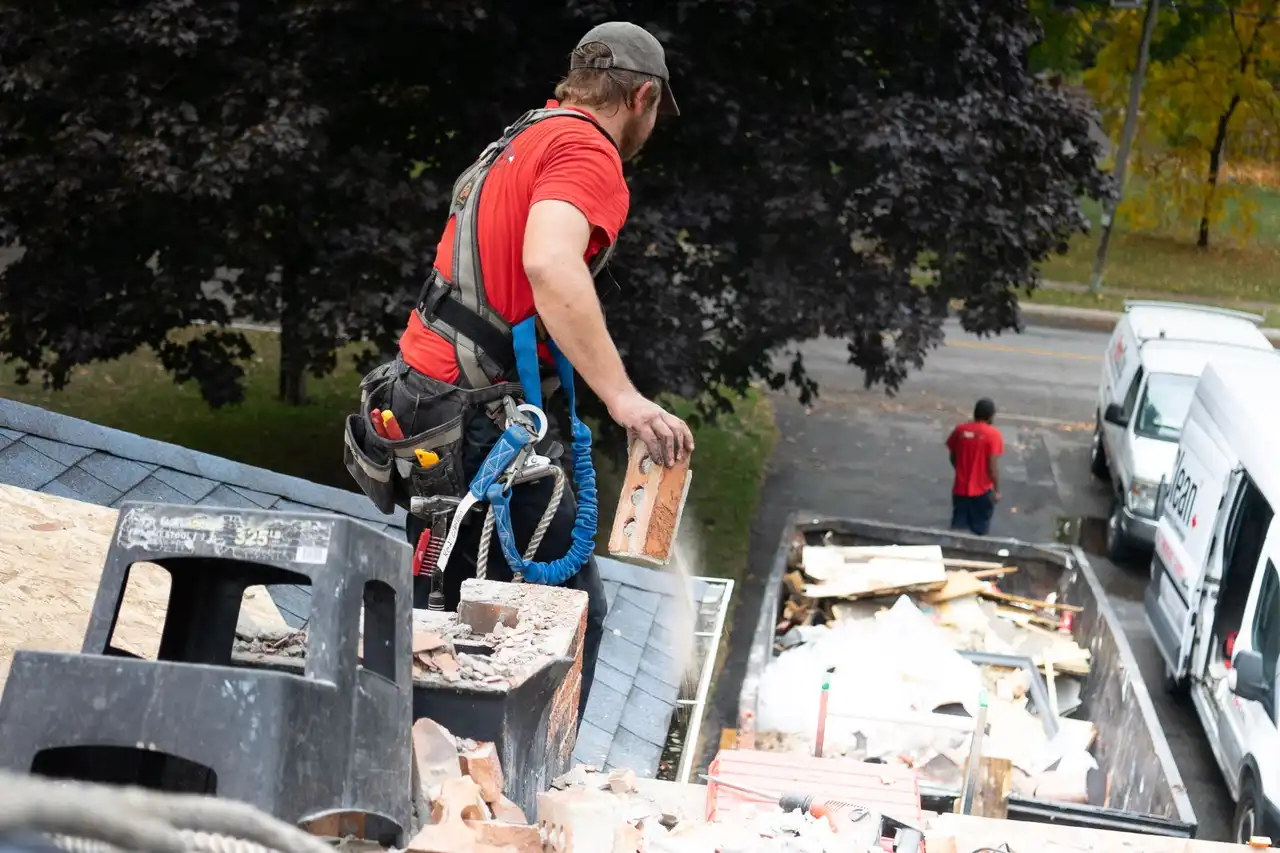
Gets everyone on and off the roof safely and keeps them tied off while working at height.
We follow NRCA published standards for underlayment laps, flashing details, and fastening. These are the details that decide whether a repair lasts five years or twenty.
After every repair, we run water over the area and watch the underside for leaks. If we see moisture, we keep working until it is dry. No repair is finished until it passes.
We source clay and concrete tiles that match your roof's profile, color, and thickness from local suppliers. The goal is a repair you cannot pick out from the ground.
We photograph the damage before, during, and after the repair. You get the images, which are useful for insurance claims and for your own records.
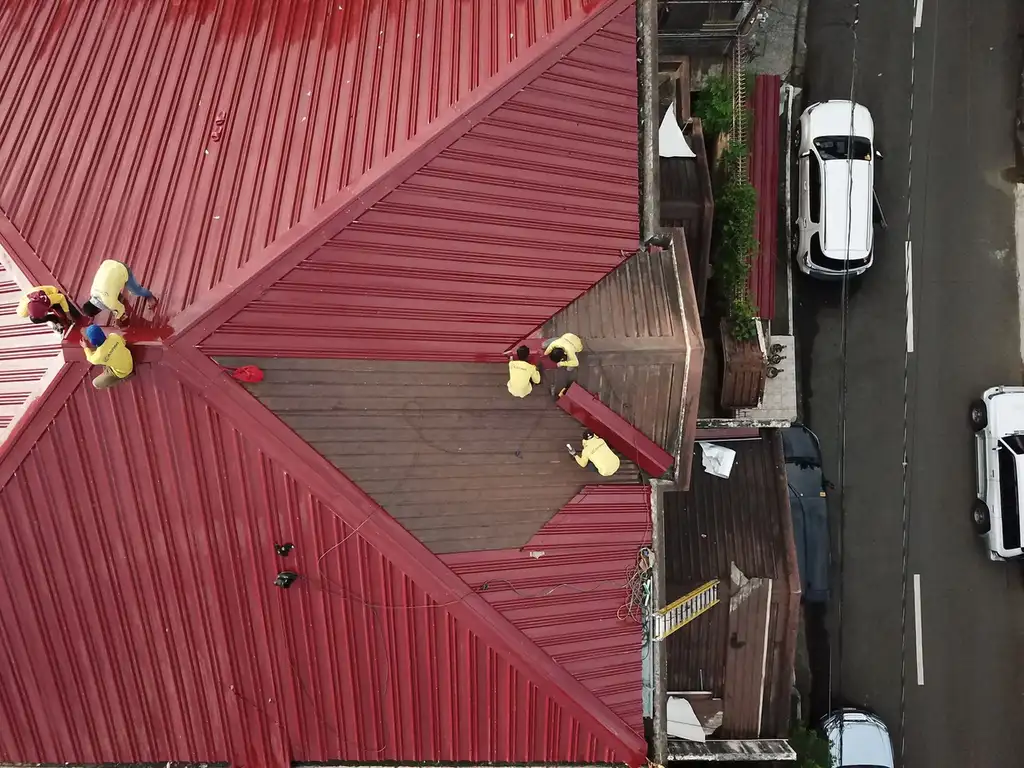
We trace the stain back to the roof entry point with a moisture meter and an inspection drone, then repair the tile, underlayment, or flashing that failed. We water-test before we leave. The stain stops spreading and you have photos and a written report for your records or your insurance claim.
We replace the cracked tiles and inspect the underlayment below each one. If the deck is dry, the repair is quick. If moisture got in, we replace that section of underlayment too. A roof that looks intact from the street and is watertight before the next rain.
We inspect the flagged areas, repair what is actually failed, and give you a written summary of the work. We can also provide a report on the sections that are still in good shape. A clean repair record that keeps the sale moving and answers the buyer's concerns.
Open areas are tarped right away if rain is coming, then the lifted tiles are re-secured, the missing ones replaced, and the flashing and valleys checked for damage. The roof is back to full coverage and you have documentation for an insurance claim if you file one.
Carson sits in the Los Angeles basin, which means mild winters, hot dry summers, and a marine layer that keeps morning moisture on the roof. That cycle of heat and moisture is hard on tile roofs. Summer sun expands tile and flashing, then cool nights contract them, and over a few seasons the sealant at flashing and valleys dries out and cracks. Santa Ana winds push through in the fall and lift tiles that were never fastened for high wind loads. Homes near the 110 and 405 sit under mature trees that drop debris into valleys and gutters, and that trapped moisture rots the underlayment from above. On top of that, much of Carson's housing stock was built in the 1950s through 1970s, so many tile roofs are on their second or third underlayment. When you call for tile roof repair Carson CA near me, we look at the roof as a system, tile, underlayment, flashing, and ventilation, because fixing one without the others just moves the leak.
Mix of newer tile roofs and townhome clusters. We see flashing failures at shared walls and vents more often than tile cracks here.
Older tile roofs on mid-century homes. The underlayment is often at the end of its life, so repairs usually include a section of new underlayment.
Mature trees drop debris into valleys and gutters year-round. Clogged valleys are a common cause of leaks we repair here.
Wind exposure and freeway dust. Tiles lift more often, and we re-secure them with fasteners rated for higher wind loads.
Thermal cycling dries out sealant and loosens fasteners. We see more flashing and valley leaks than tile cracks in this pattern.
Lifts tiles that were not fastened for high wind. After a wind event, we inspect the whole slope, not just the missing tile.
Keeps the roof damp in the mornings, which speeds up underlayment deterioration on older roofs.
Drops debris into valleys and gutters, trapping moisture against the underlayment. We clear and inspect these areas on every repair.
A homeowner in the 90745 ZIP code had a spreading ceiling stain after the first winter rain. Two tiles in the valley were cracked and the underlayment below was saturated. Water was tracking six feet from the entry point.
We replaced the cracked tiles, cut out and replaced the failed underlayment, and re-sealed the valley flashing. The water test ran clean. The repair took four hours and the stain stopped spreading within a day.
Maintenance: Keep the valley clear of leaves and debris. We recommend a roof inspection each fall before the rainy season starts.
A wind storm lifted 14 tiles on a west-facing slope in Avalon Village and dropped one into the yard. The exposed underlayment was visible from the street and rain was forecast for the next day.
The open area was tarped right away, then the lifted tiles were re-secured with roofing nails and the missing one replaced. The rest of the roof was checked and three more loose tiles were found and secured.
Maintenance: After any high-wind event, walk your yard and look for tile pieces. A quick call catches lifted tiles before they become missing ones.
A homeowner near Carson Park had water running down the inside of the chimney chase. The flashing had pulled away from the masonry and the sealant was dried and cracked. The leak had been active long enough to stain the attic sheathing.
We removed the old flashing, cleaned the masonry, and installed new flashing sealed with roof cement and fresh sealant. The water test ran dry. The repair took three hours and stopped the leak at the source.
Maintenance: Check chimney flashing every couple of years. Sealant dries out in the sun, and re-sealing before it cracks is a small fix.
Most tile roof calls come down to a handful of failure points. Here is what we see most often and how we fix it.
Water reaches the underlayment and deck, causing rot, ceiling stains, and eventually a full section replacement. We lift the surrounding tiles, replace the failed underlayment, and set matching clay or concrete tiles in place. If you have been looking up how to repair cracked tiles on roof in Carson CA, this is the fix: replace the tile and the underlayment beneath it, not just the tile.
Water runs behind the flashing and into the attic or wall cavity, often showing up far from the actual leak. We remove the old flashing, clean the substrate, and install new flashing sealed with roof cement and roofing sealant. We water-test the area before we close it up so you know it is dry.
Trapped moisture rots the underlayment and fascia, and standing water backs up under the tile field during heavy rain. We clear the valleys and gutters, check the underlayment below for damage, and repair any rot we find. We can also add gutter guards to cut down on how often you need to clear them.
Lifted tiles let wind-driven rain in and can slide off the roof, creating a safety hazard for anyone below. We re-secure loose tiles with roofing nails and check the fasteners across the affected slope. If the wind lifted tiles in one area, we inspect the rest of the roof for the same pattern.
Yes. Cracked tiles are the most common repair we do, and most fixes take two to four hours. We lift the surrounding field, replace the failed underlayment beneath the crack, and set a matching tile in its place. If the crack is from a footstep or debris, the repair is straightforward. If several tiles in one area are cracked, we inspect the deck for movement before we reset anything.
Most tile roof repairs take two to five hours on site. A single cracked tile or a small flashing leak is on the short end. A valley repair or a section of failed underlayment runs closer to five hours. If we find rot in the deck or framing, we may need a second visit after the wood is replaced. We tell you the expected timeline before we start.
The main causes here are thermal cycling, wind, and debris. Summer heat expands tile and flashing, then cool nights contract them, which dries out sealant and loosens fasteners. Santa Ana winds lift tiles that were not fastened for high loads. Trees near the 110 and 405 drop debris that traps moisture in valleys and gutters, and that moisture rots the underlayment from above.
It depends on the cause. Sudden damage from wind, hail, or a fallen limb is usually covered. Wear-and-tear, poor installation, and deferred maintenance are typically not. We document the damage with photos and a written report you can send to your adjuster. If you want, we can walk the roof with your adjuster so everyone sees the same thing.
Not seeing your question? Our local team can help you understand urgency, scheduling and what to expect.
Ask the local team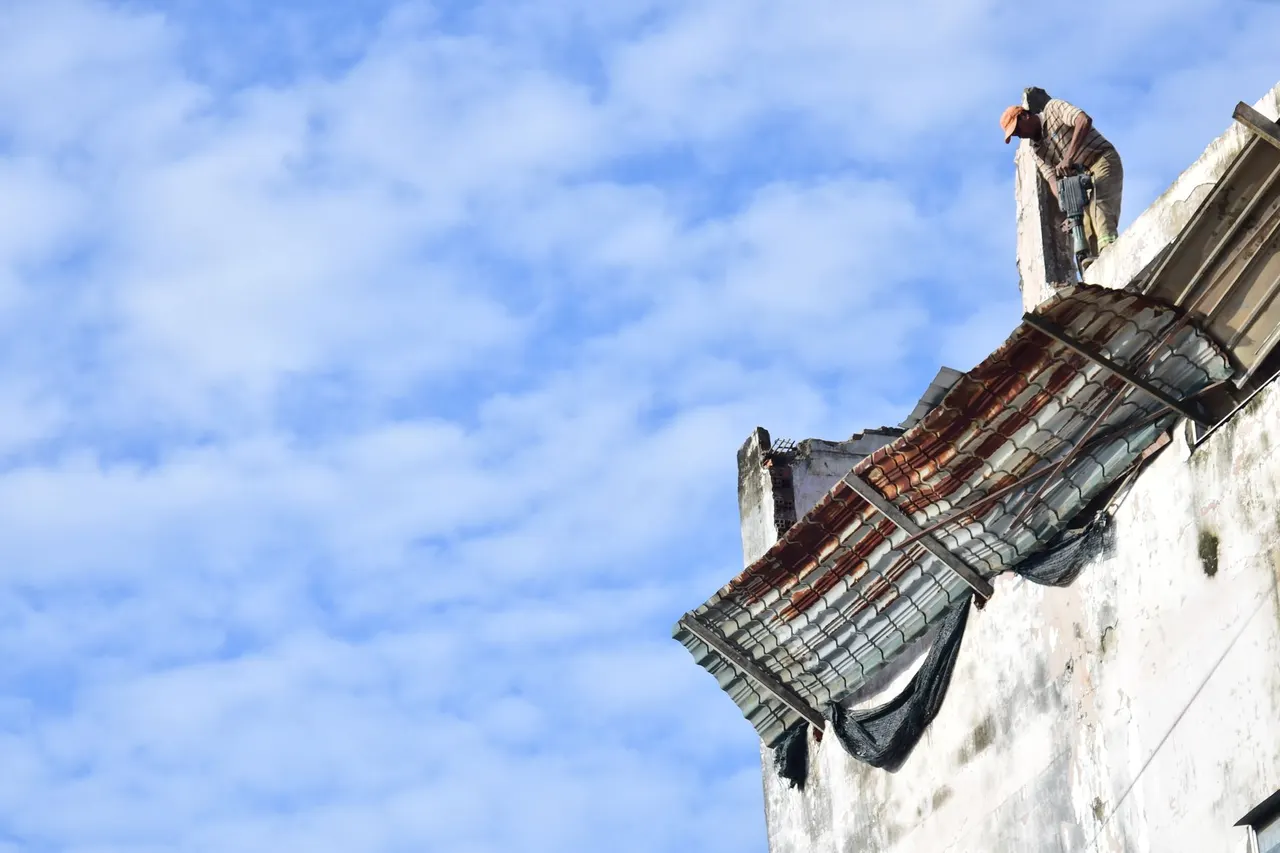
When water is coming through a ceiling or wall, we trace it to the source and seal it. Tile roofs often leak at flashing and valleys, not through the tile itself. We find the entry point and fix it the same visit.
View service
Storm damage, a fallen limb, or an active leak after dark, we respond 24/7. We tarp the area to stop the water, then schedule the permanent repair. Storm damage, a fallen limb, or an active leak after dark, we respond 24/7. The area is tarped to stop the water, then the permanent repair is scheduled.
View service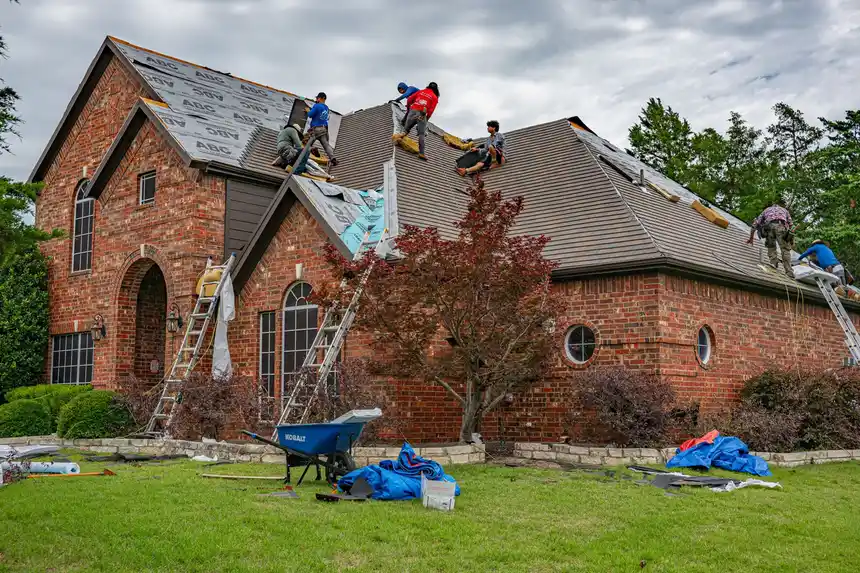
When the underlayment is gone across the whole field, a replacement makes more sense than repeated repairs. Tile, shingle, and flat systems are all options, and you get walked through the options, lifespan, and trade-offs of each before you decide.
View service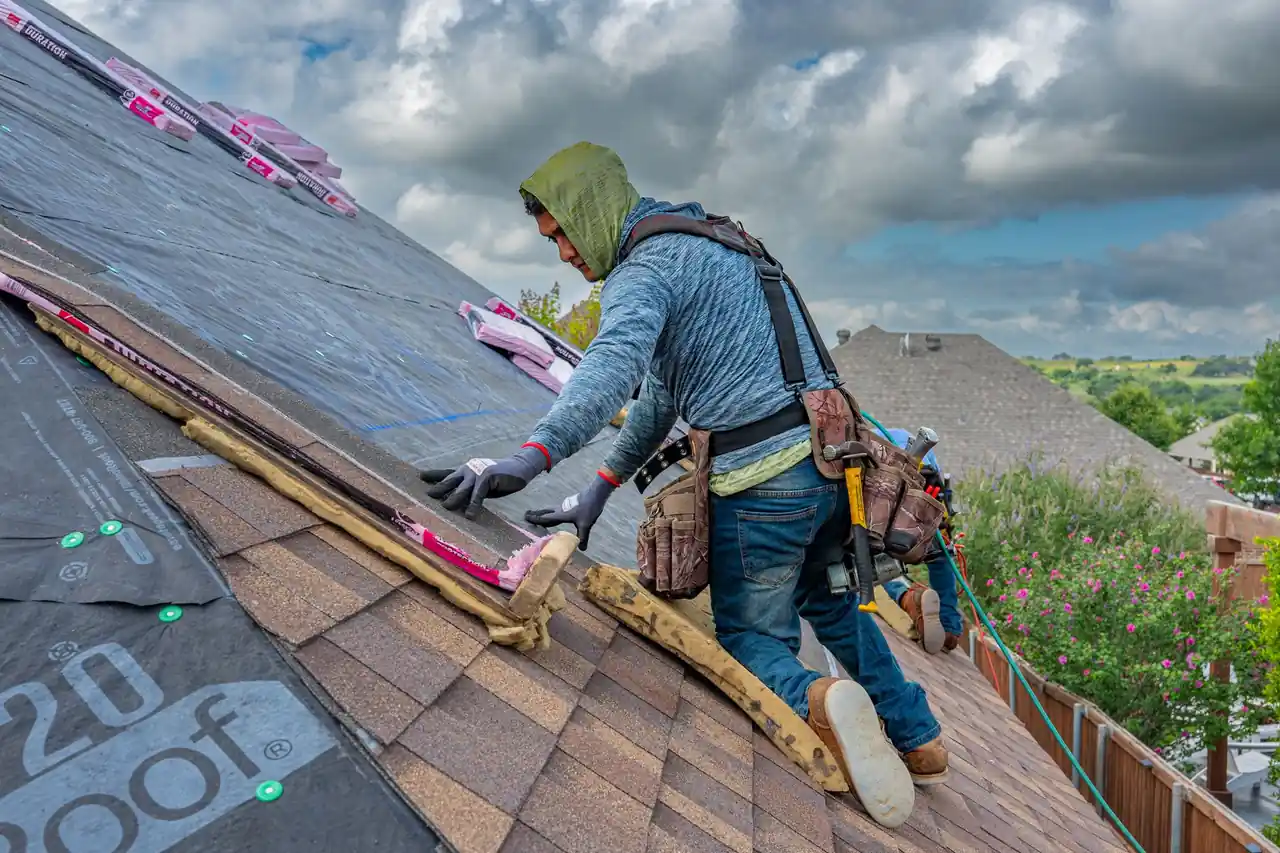
Many Carson homes have a flat or low-slope section alongside the tile. We repair TPO membrane, EPDM membrane, and modified bitumen, and we fix ponding and seam failures before they reach the deck.
View service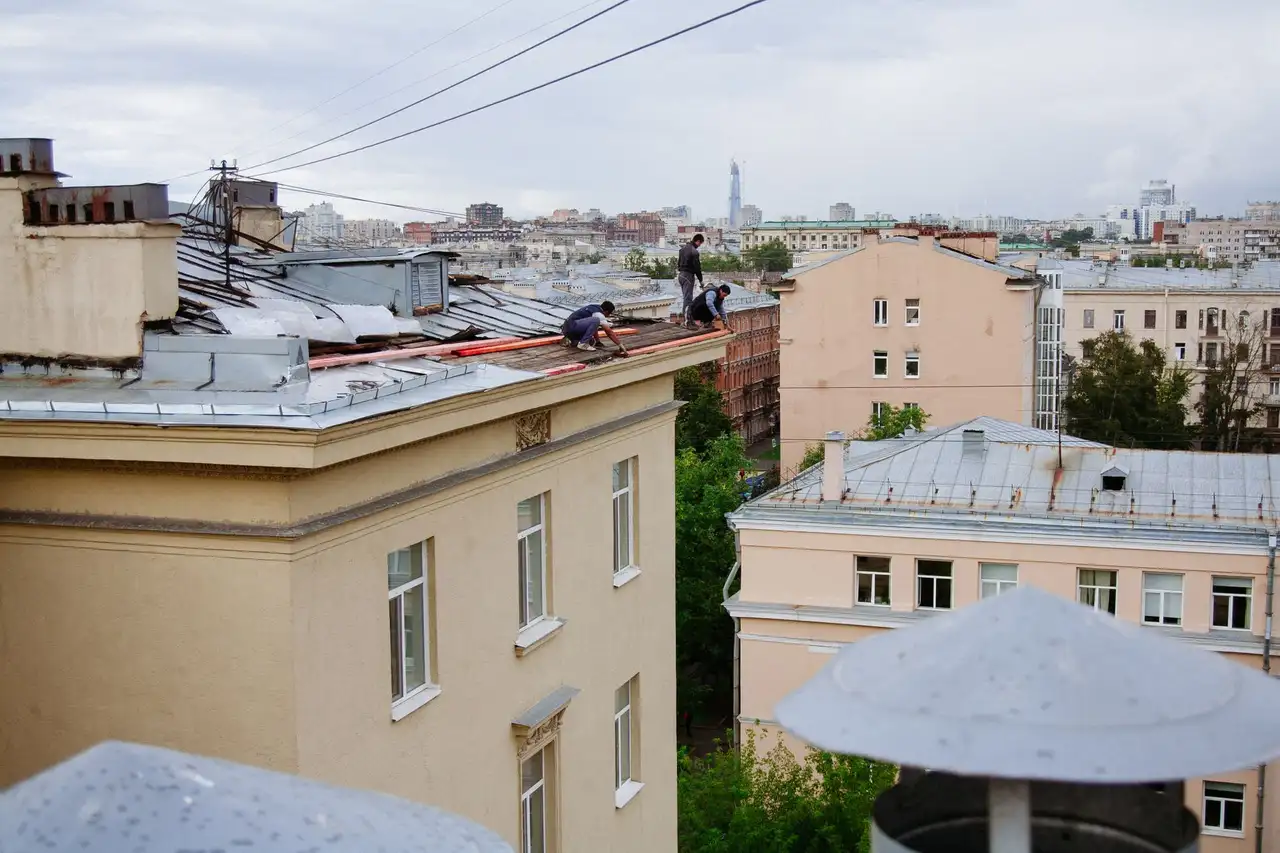
Call us at (123) 456-7890 or email info@roofrepaircarsonca.com and we will help you set up an inspection. Our phone line stays open 24/7 for emergencies, and our office hours run Monday through Friday, 8 a.m. to 6 p.m. If your roof is leaking right now, call so we can get help moving.