Focused arrival windows
Useful updates and clear arrival timing.
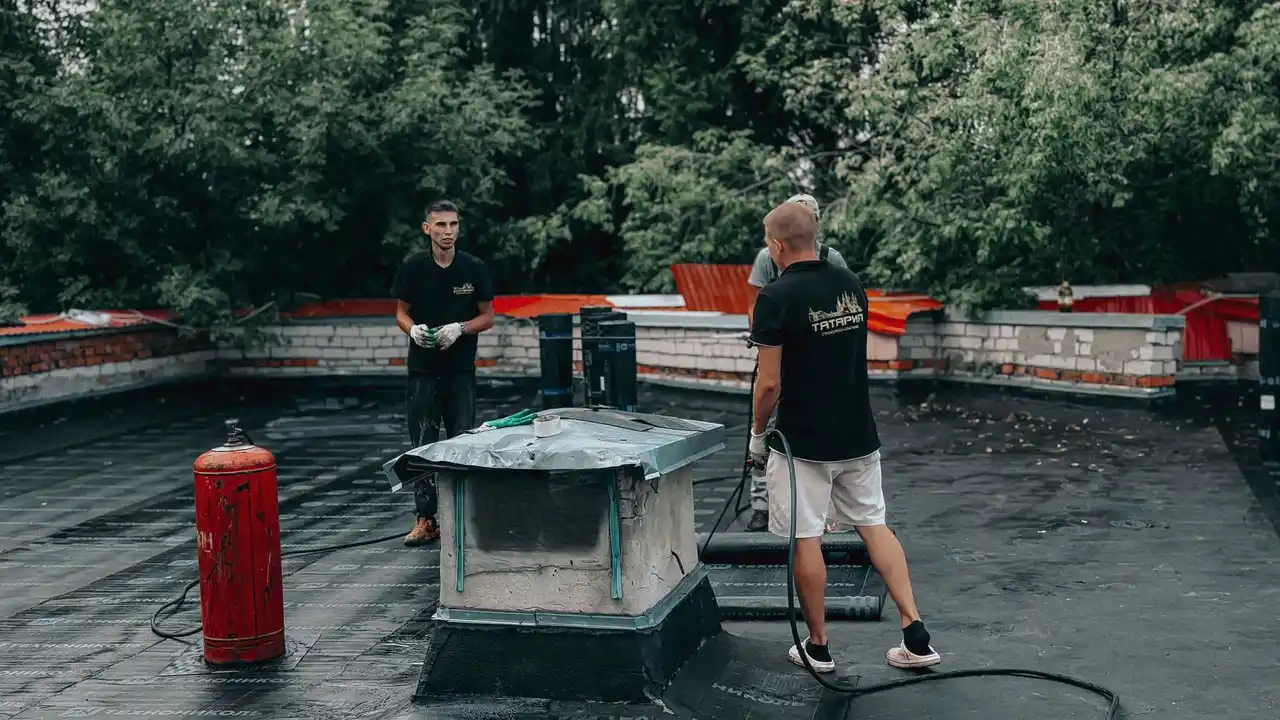
Roof Replacement Carson CA means tearing off the old layers, repairing any decking damage, and installing a new roof system that sheds water for decades. We connect homeowners in Carson, CA and across Los Angeles County with licensed and insured local roofers for asphalt shingle, tile, and flat roof replacements. If your roof is 20-plus years old, missing shingles, or leaking after winter storms, call us and we will help you set up an inspection.
Useful updates and clear arrival timing.
Review the approach and price before deciding.
Equipped vehicles and respectful cleanup.
Neighbors serving neighbors with follow-through.
Every Carson roof replacement includes the full tear-off, the deck inspection, new underlayment and flashing, and the finished roofing system. Here is what shows up in your written scope.
We strip every existing layer down to the wood deck and haul it off in a dumpster we place and remove. No overlay shortcuts, no leaving old shingles under the new roof to trap heat and hide rot.
The deck is checked board by board, and any sheathing that is soft, delaminated, or water-stained is replaced before the new roof goes on.
Synthetic roofing underlayment across the field, ice-and-water membrane at the eaves and valleys, new drip edge, new pipe boots and new flashing at every wall and penetration. This is where most cheap roofs fail.
The Carson building permit is pulled and posted on site, and the inspector is met for the final sign-off. You get the signed inspection record for your files.
Landscaping gets tarped before tear-off. We magnet-sweep the yard and driveway every evening for nails, then do a final sweep before the dumpster leaves. Your yard should look the way we found it.
Share what is happening and receive a clear next step from the local team.
Roof Replacement Carson CA is the full removal of your existing roof covering down to the deck, followed by new underlayment, flashing and finished roofing. It is not a patch or an overlay. We pull the old asphalt shingles or clay tiles, inspect the plywood for rot, replace any soft or delaminated sheets, then build the roof back up in layers: ice-and-water protection at the eaves and valleys, synthetic roofing underlayment across the field, new drip edge, new pipe boots and new flashing at every penetration. Only then does the finished roofing go down.
Most Carson homes were built between the 1950s and 1980s, and many still carry their second or third layer of shingles. Add decades of sun, Santa Ana winds and the occasional heavy winter rain, and you get cracked tiles, flashing failure and slow roof leaks that rot the deck from the inside. If you have been searching for roof replacement services Carson homeowners actually recommend, the fix is a complete tear-off, not another patch over a tired roof.
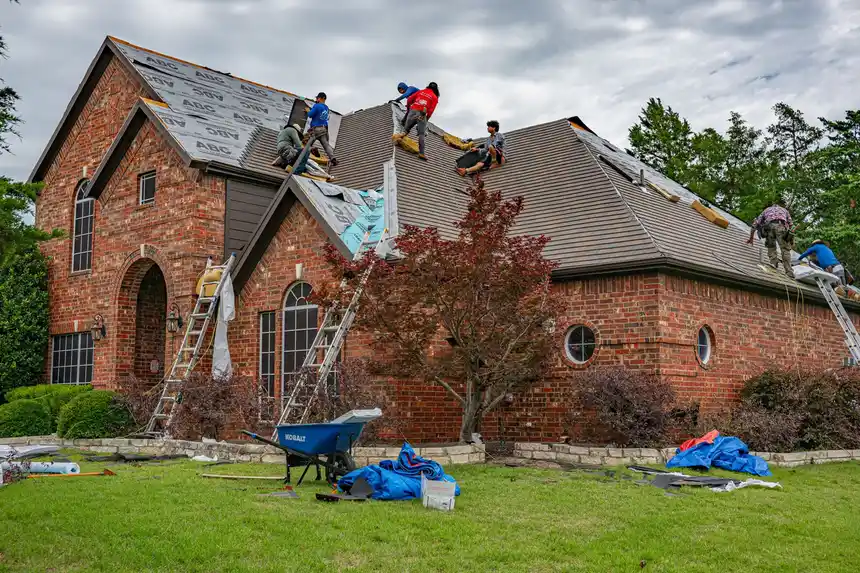
The roof is walked, the attic is checked from underneath, and a moisture meter is used on any suspicious decking. You get photos of what was found and a written scope with material options. This visit takes about 45 minutes.
Shingle and tile samples are laid out so you can see the colors against your house. The differences between each product line are explained, then you pick. No pressure, no upselling you into a system you do not need.
The crew strips the old roofing down to bare wood, hauls it off in a dumpster parked in your driveway, and replaces any rotted sheathing. Most Carson tear-offs take one to two days, depending on how many layers come off.
We install underlayment, flashing, drip edge and the finished roofing in sequence, nailing to the manufacturer's pattern. A typical asphalt shingle roof goes down in two to three days; tile and flat membrane systems run longer. We magnet-sweep the yard for nails every evening.
You and the roofer walk the property together to review the finished roof, the flashing details, the ventilation, and the cleanup before the job is closed out.
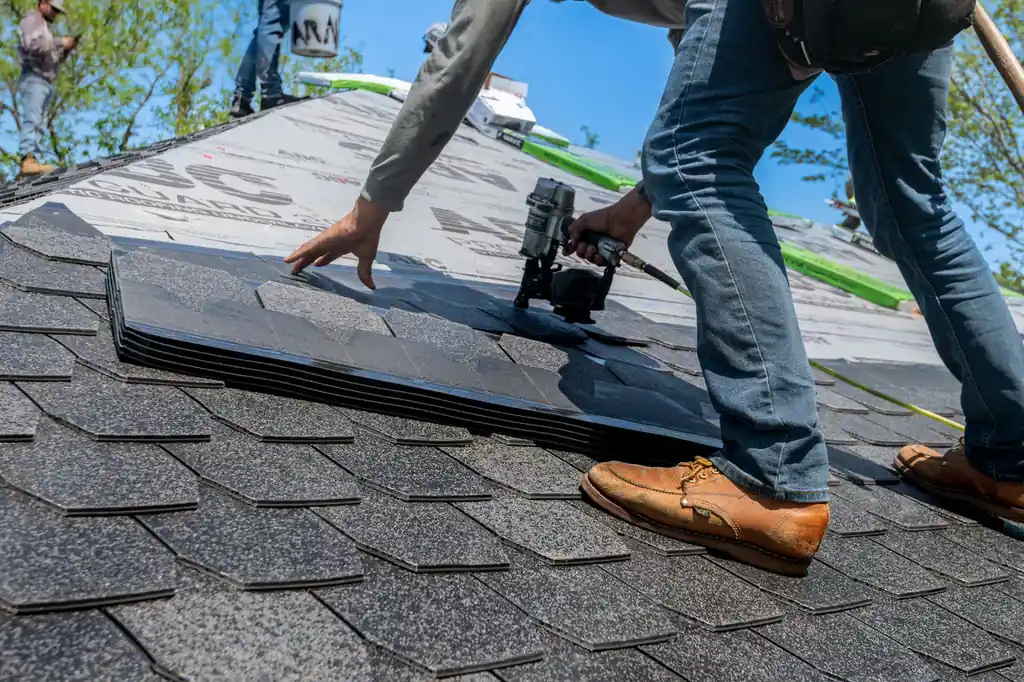
Drives fasteners to the manufacturer's specified pattern and depth so shingles hold through wind events. Hand-nailing is fine for small repairs, but a full roof gets the gun for consistent placement.
Used during tear-off to lift shingle courses and pull nails without splitting the deck boards. Careful removal protects sheathing you can reuse and saves you money on deck repair.
Flies the roof to document existing conditions, steep pitches and hard-to-reach valleys. You get photos of exactly what we see, which makes the scope and the price easy to understand.
Checks decking and framing for hidden water content after a leak. A board that looks fine on the surface can be rotted inside, and the meter tells us before we cover it up.
Fall protection for everyone working at height, set up before anyone steps on the roof.
Applies roof cement and sealant at flashing terminations, pipe boots, and counter-flashing, using the sealant the manufacturer specifies for the roofing system.
Carson roofs must meet state requirements for fire rating, wind uplift, and attic ventilation. Every job is built to those standards so the roof passes inspection and holds up through Santa Ana wind events.
We follow National Roofing Contractors Association guidance on flashing details, fastener spacing and underlayment laps. These are the details inspectors look at and the ones cheap crews skip.
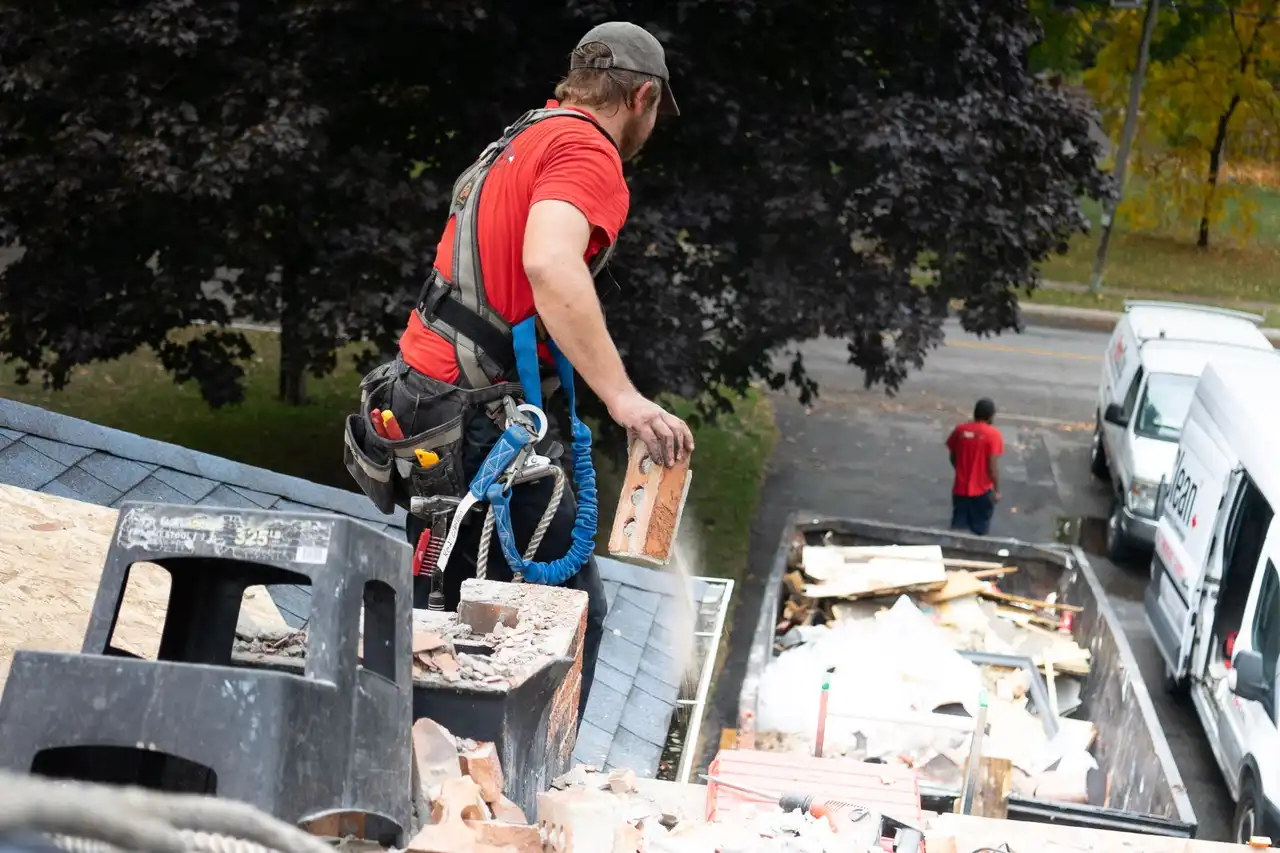
All three layers are torn off, the deck is inspected, any rotted sheathing is replaced, and a new architectural shingle system goes on with fresh underlayment and flashing. The weight reduction alone takes load off the framing. The result is a roof that meets current California Building Code and sheds water properly.
We lift the tile field in the affected areas, replace the failed underlayment, install new flashing, and re-lay the tile with matched replacements for the broken pieces. Where the whole field is compromised, we do a full tile replacement. A watertight tile roof that keeps the home's original look and buys another 30 to local experience.
The replacement is scheduled around the listing timeline, the permit is pulled, and you get the permit and inspection paperwork the buyer’s agent will ask for. The job is done and inspected before the first open house. The biggest repair credit on the negotiating table disappears, and the home clears the lender’s roof condition on the appraisal.
We remove the failed membrane, correct the slope and drainage, and install a new TPO membrane system with heat-welded seams and new edge termination. No more ponding, no more annual patches, and a flat roof that handles winter rain without a call-back.
Carson sits in Los Angeles County with a coastal-influenced climate: mild winters, hot dry summers, and Santa Ana wind events that push through the Dominguez Hills area in fall and early winter. That combination is hard on roofs. Summer UV bakes the oils out of asphalt shingles until they curl and crack, then the first hard rain finds every failed flashing detail. Most of the housing stock dates from the 1950s through the 1980s, and a large share of homes still have two or three layers of shingles stacked on the original deck. When we tear those off, we routinely find rotted sheathing at the eaves and valleys where water has been sitting for years. We pull the Carson building permit, build to California Building Code wind and fire standards, and schedule around the rain window. If you are looking for a roof replacement contractor Carson CA licensed and insured, that is the standard we hold on every job in 90745, 90746 and 90810.
Mix of older single-family homes and newer attached housing. We see a lot of second-layer shingle roofs here that are overdue for a full tear-off.
Dense residential streets with many Spanish tile roofs. Cracked tiles and dried-out underlayment are the most common issues we find on inspections.
Established tract homes from the 1960s and 70s. Original shingle roofs are long gone, and most homes are on their second or third roof layer.
Mixed residential and light industrial, with a lot of flat and low-slope garage roofs that pond water and need membrane replacement.
Sustained winds lift shingle edges and tear off loose courses. We nail to the manufacturer's high-wind pattern and replace any brittle field shingles so the new roof holds through the next event.
UV dries out asphalt shingles and cracks tile glaze over time. We install reflective or higher-grade shingle lines that resist UV degradation longer than builder-grade material.
Most of Carson's annual rain falls between December and March. We schedule tear-offs around the forecast and tarp any open deck overnight so your home is never exposed to a surprise storm.
Multiple shingle layers hide deck rot and add dead load to the framing. A full tear-off is the only way to inspect and repair the deck properly before installing the new roof.
A 1968 single-story home with three layers of shingles stacked on the original deck. Active leak over the hallway, ceiling stain spreading, and a soft spot near the valley that two previous roofers had patched without fixing.
Full tear-off down to the deck, 60 square feet of rotted sheathing replaced, new synthetic underlayment and ice-and-water membrane, and a new architectural shingle system. Job completed in four working days. No leaks through the following winter.
Maintenance: Keep gutters clear and have the roof inspected every three years. Architectural shingles on a properly ventilated deck should give 25 to 30 years before the next replacement.
A Spanish tile roof with roughly 40 cracked tiles, slipped courses after a wind event, and underlayment that had dried out and torn in two valleys. The homeowner was getting water stains on the interior wall below the front valley.
We lifted the tile field in the affected areas, replaced the failed underlayment, installed new valley flashing, and re-laid the tile with matched replacements for the broken pieces. The roof is watertight and the original look is preserved.
Maintenance: Walk the roof after any major wind event and replace cracked tiles promptly. Replacing individual tiles early prevents the underlayment from being exposed to UV.
A detached garage with a rolled roof that had been patched three times in four years. Standing water after every rain, seams separating, and a slow drip onto the stored tools inside.
We removed the failed membrane, corrected the slope and drainage, and installed a new TPO membrane system with heat-welded seams and new edge termination. No ponding after the first rain, and no call-backs.
Maintenance: Clear debris off the membrane twice a year and check the seams and edge termination annually. A TPO system on a properly drained flat roof should give 15 to 20 years.
Most Carson roof replacements start with one of these four problems. If any of them sound familiar, the roof is telling you it is done.
Water tracks along rafters and shows up far from the actual entry point, so patching the ceiling stain never fixes it. Rot spreads through the deck and framing while you chase the wrong spot. We use a moisture meter and an inspection drone to trace the leak to its real source, then replace the failed flashing or underlayment detail. If the deck underneath is rotted, we cut it out and sister in new sheathing before the new roof goes on.
Every missing shingle exposes the underlayment to UV and rain. Once the underlayment dries out and cracks, the roof leaks, and the exposed edges let wind get under the next course and peel more off. We replace the damaged field and re-nail the surrounding courses to the manufacturer's pattern. If the shingles are brittle across the whole roof, replacement is the honest answer, and we will show you the photos that prove it.
Flashing is the number one leak source on Carson roofs. Failed step flashing, rusted pipe boots and open counter-flashing let water straight into the attic, and the damage is usually invisible until the ceiling stains appear. We rebuild every flashing detail with new metal, new sealant and proper laps during the replacement. Pipe boots get replaced as standard, not as an add-on. This is the detail that decides whether your new roof stays dry.
Standing water finds every seam and pinhole in a rolled or membrane roof. Ponding accelerates membrane failure, adds weight to the structure, and turns a small repair into a full tear-off within a season or two. We repair or replace the membrane with TPO or a properly layered modified bitumen system, then correct the slope and drainage so water moves off the roof. No ponding, no premature failure.
Most Carson roof replacements take three to five working days from tear-off to final cleanup. A simple asphalt shingle roof on a single-story home can wrap in three days. Tile roofs, flat membrane systems and two-story homes with steep pitches run five to seven days. Rain days push the schedule, so we build a buffer into the calendar between November and March.
Yes. Carson requires a building permit for a full roof replacement, and the work has to meet California Building Code standards for fire rating and wind uplift. The licensed roofer pulls the permit, posts it on site, and meets the inspector for the final sign-off. You do not have to visit the building department at all.
Architectural asphalt shingles are the best value for most Carson homes, running 25 to 30 years with a Class A fire rating. Clay and concrete tile last 50 years or more and suit Spanish-style homes, but they need a reinforced framing check first. Flat roofs on garages and additions do best with TPO membrane or a properly layered modified bitumen system.
A new roof recovers a good share of its cost at resale and removes the biggest repair credit a buyer will ask for. More importantly, it makes the home financeable. Lenders and insurers flag roofs over 20 years old, and a documented, permitted replacement clears that hurdle before it costs you a sale.
Not seeing your question? Our local team can help you understand urgency, scheduling and what to expect.
Ask the local teamIf your roof is still young and the leak traces to one flashing detail or a cracked pipe boot, a targeted repair beats a full replacement. We find the source with a moisture meter and inspection drone, fix it, and tell you honestly whether the rest of the roof has life left.
View service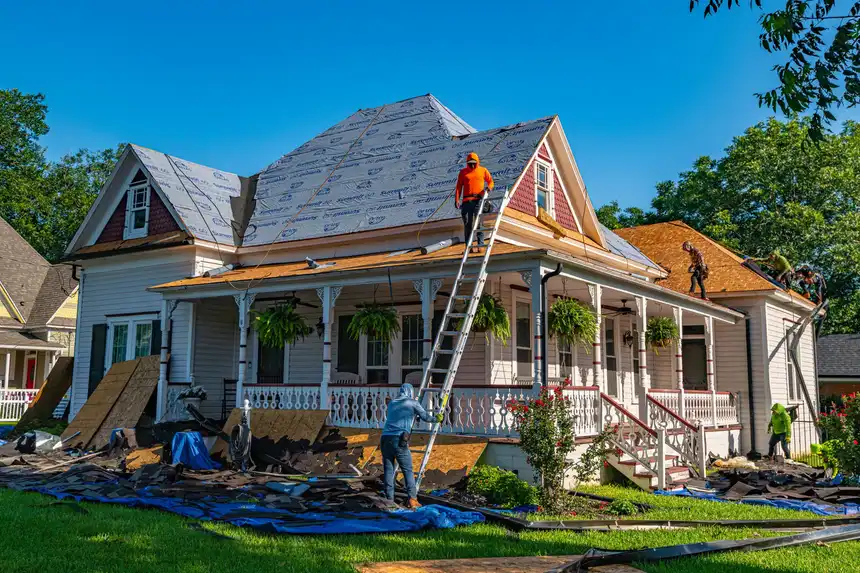
Storm damage, a fallen limb or an active leak at 2 a.m. gets a tarp-over and stabilization first. Once the roof is dry, we assess whether a repair or a full replacement is the right call. We document everything for your insurance claim.
View serviceCracked tiles, slipped courses and failed underlayment under a tile field are common on older Carson homes. We match your existing tile profile, replace the broken pieces and repair the underlayment beneath, which often delays a full replacement by years.
View service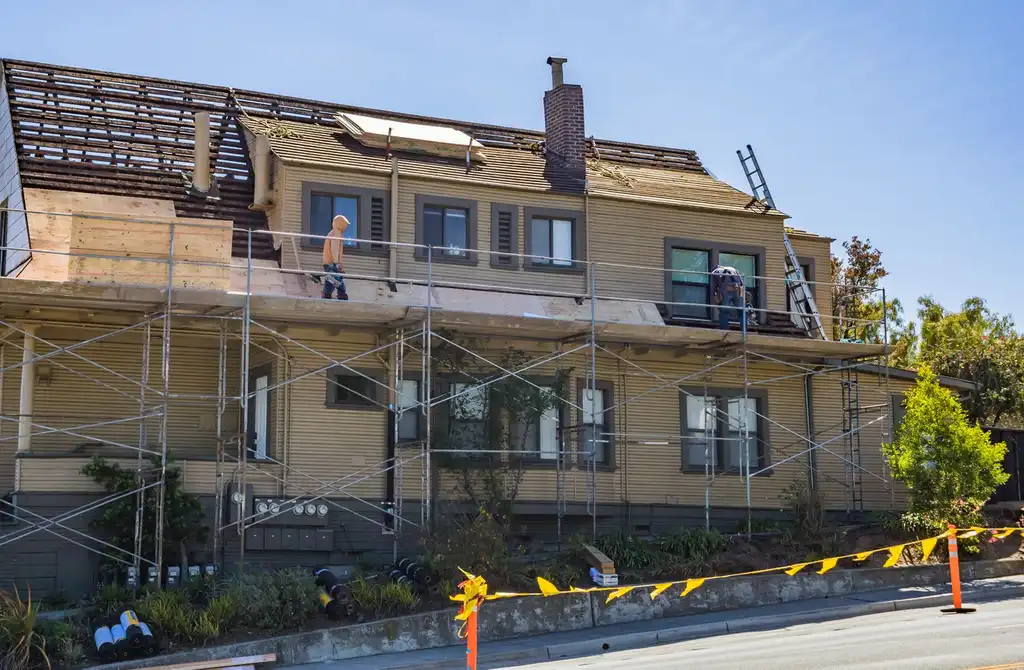
Flat and low-slope roofs on garages, additions and commercial buildings fail at the seams and drains. We repair TPO membrane and modified bitumen systems, clear ponding issues and re-seal penetrations to keep water moving off the roof.
View service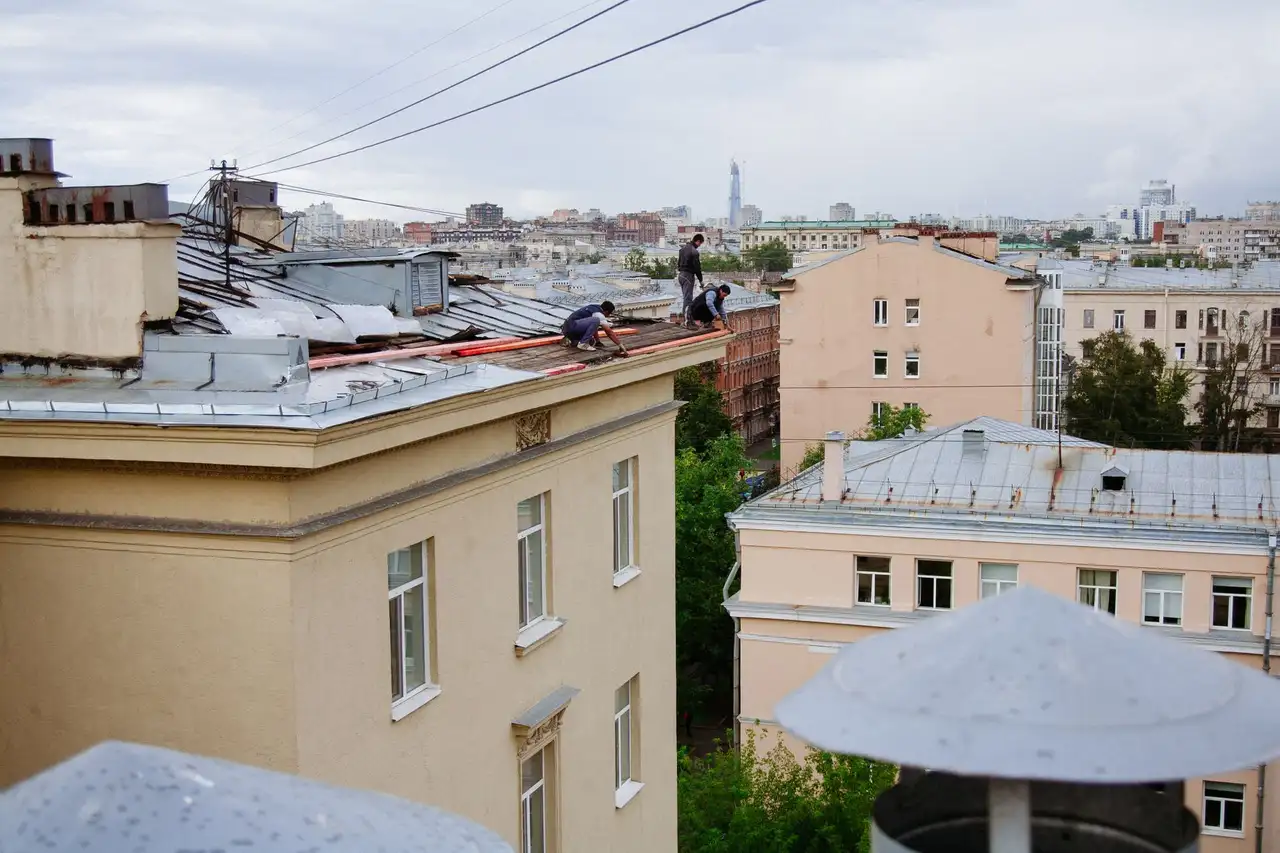
Call us and we will help you set up an inspection with a licensed and insured local roofer at a time that works around your schedule. No pressure to sign anything on the spot.